
Good care lives in the little routines.
Grooming, dental, comfort, preparedness, and practical guidance, organized for calmer care at home.
- Clear boundaries
- Species-aware paths
- Routine-first guidance

The care shelf, without the maze.
Five useful starting points, photographed clearly and grouped around real home routines.
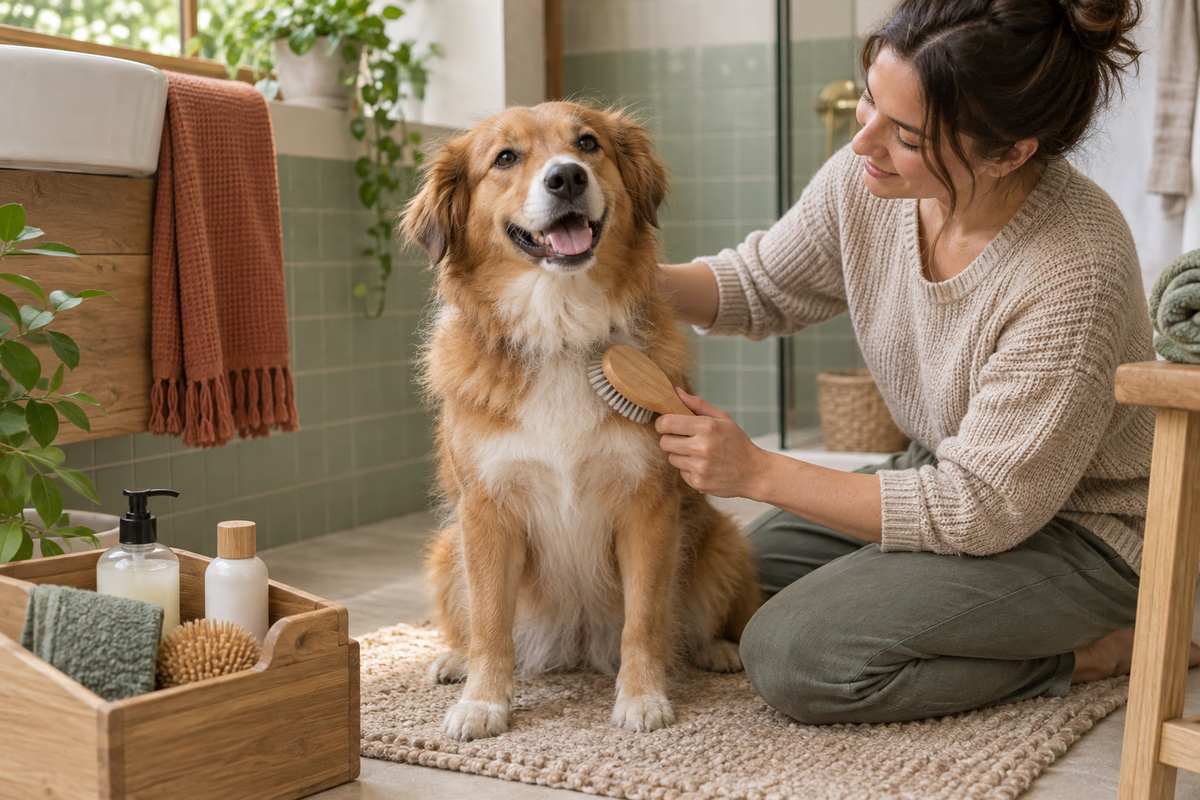 Grooming & bathingBrushes, bath tools, coat care, and easier cleanup.
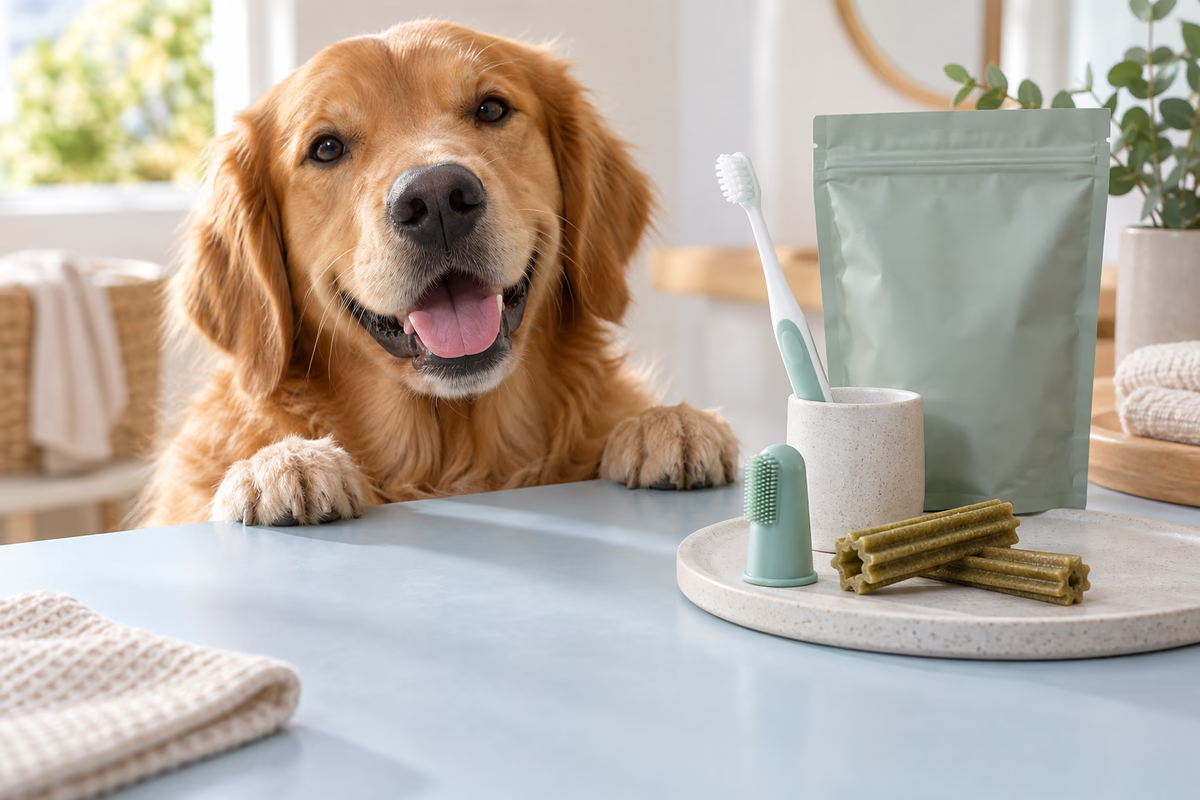 Dental careToothbrushes, finger brushes, chews, and routine support.
 Calming & supplementsA clearer way to browse everyday comfort categories.
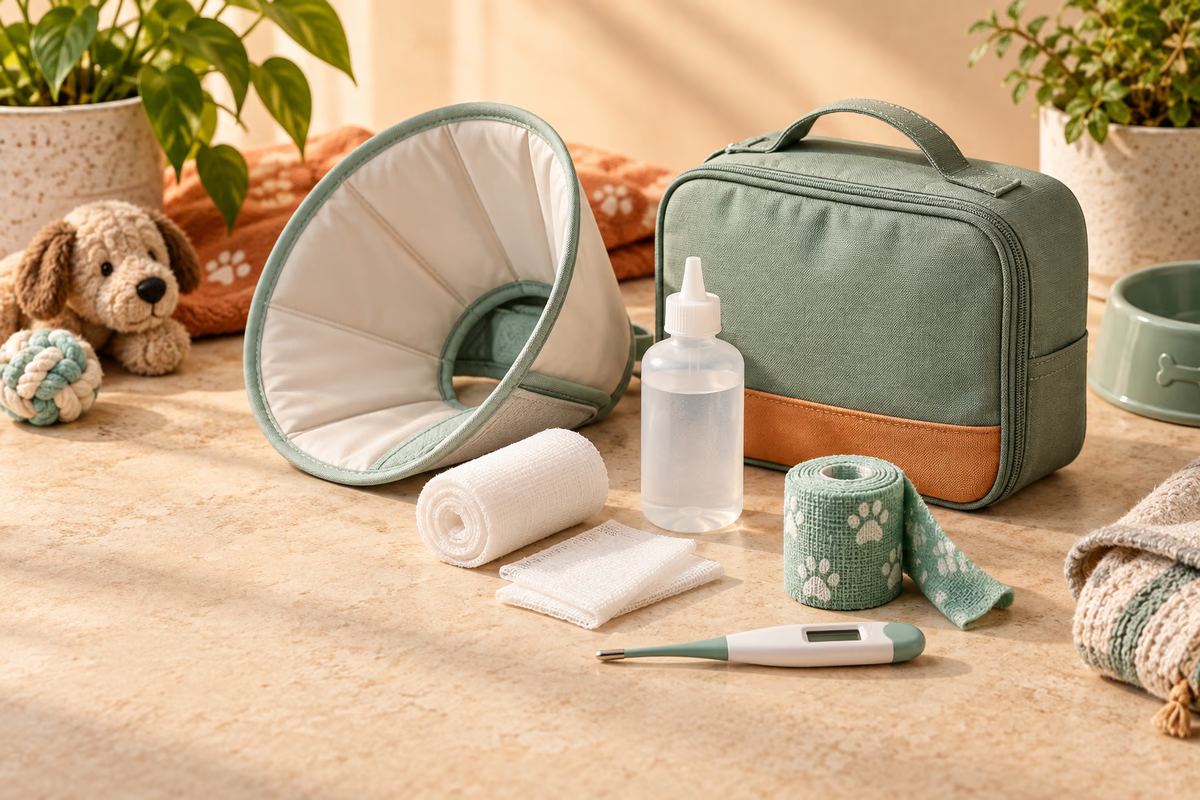 First-aid & recoveryPractical supplies to keep organized before they are needed.
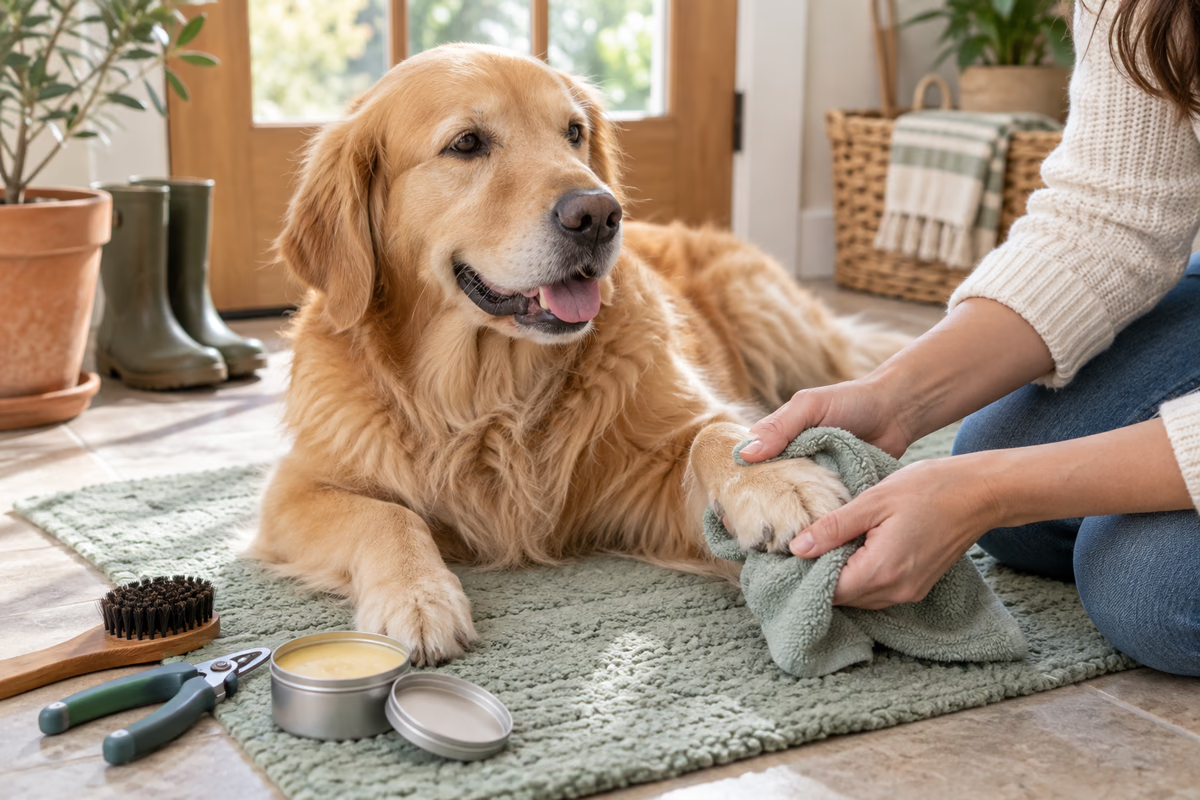 Paws, ears & skinGentle routine care for the places that meet everyday life.
Care works better as a path.
Four simple stages keep everyday care calm, repeatable, and easier to discuss.
- 01
Notice
Pay attention to normal coat, skin, appetite, movement, and behavior.
- 02
Prepare
Keep the right everyday tools together and easy to reach.
- 03
Practice
Use short, calm sessions and stop when your pet needs a break.
- 04
Check in
Bring questions or changes to a qualified veterinary professional.
Same care. Different needs.
Choose the pet first, then browse the routines and categories that fit.
Everyday care is not diagnosis.
Frolickin Paws can organize supplies and practical routines. A qualified veterinary professional should diagnose symptoms, recommend treatment, and advise on medicines or supplements.
Useful reads for real routines.
Short, practical starting points that keep advice within sensible limits.
01GroomingBuild a smaller, better grooming kit
Choose tools for your pet's coat and routine, then store them together so short sessions are easier to repeat.
02DentalMake dental care easier to introduce
Start gradually, use pet-specific products, and ask your veterinary professional which routine fits your pet.
03PreparednessKeep care supplies ready, not scattered
A labeled pouch for first-aid basics, records, and contact information makes everyday preparation simpler.
04ComfortCreate a lower-stress care spot
Use a familiar surface, steady footing, gentle handling, and brief sessions that respect your pet's signals.
A clearer place to begin.
General guidance for organizing an everyday routine. It is not a substitute for professional care.
What belongs in an everyday pet-care kit?
Start with species-appropriate grooming tools, nail and paw supplies, pet dental products, cleaning basics, and a simple first-aid pouch. Your veterinary professional can help tailor the list.
How should I introduce a new care routine?
Keep early sessions short, pair tools with calm positive experiences, and avoid forcing contact. Build familiarity gradually and stop if your pet is distressed.
Does this page replace veterinary advice?
No. This page organizes everyday shopping categories and routine guidance. A qualified veterinary professional should diagnose symptoms, recommend treatment, and advise on medications or supplements.
Where can I find species-specific care?
Use the care-by-pet section to continue to the dog, cat, bird, or fish hub, where routines and categories are grouped for that animal.